Registered Designs: The Bargain IP Right Most Businesses Ignore
If your product has a distinctive look, a registered design is often the fastest and cheapest way to protect it. However, it is the IP right businesses most often overlook.
When most businesses think about protecting their innovation, they think about patents. Some think about trade marks for their brand. Far fewer think about registered designs and that is a costly oversight, because for many product-based companies the registered design is the single most cost-effective right available.
A UK registered design can be filed for as little as £60 in official fees. It can be registered within a matter of weeks. And it gives you a genuine monopoly over the appearance of your product. For a startup or SME watching every pound, that combination is hard to beat.
What a registered design actually protects
A registered design protects the way a product looks, not how it works. That includes its shape and contours, surface decoration, patterns, colours, texture and ornamentation, and it can cover either the whole product or just part of it. That makes it the natural right for anything with a distinctive visual identity: consumer electronics and gadgets, furniture, lighting, homeware, packaging, fashion and accessories, toys, kitchenware, tools, the list is long. If a competitor could hurt you by copying how your product looks, a registered design is the right you want.
Importantly, a registered design does not require your product to be technically clever. A patent protects a new and inventive function; a registered design protects a new appearance. The two are complementary, and many successful products carry both a patent for the engineering inside, and a registered design for the form outside.
Why it can be the cheapest and fastest route
Filing a single UK registered design online costs £60 in official fees. There are higher fees if publication is deferred or if multiple designs are applied for. There will also typically be other costs such as for preparing the drawings and attorney time to file the application, but these are much lower than the costs involved with patent protection.
Designs are also fast. Unlike patents, UK registered designs are not substantively examined for novelty before they are granted, so registration often follows within a few weeks rather than the several years a patent can take. You secure an enforceable right quickly, and at a fraction of the cost of patent protection.
A registered design lasts for up to 25 years, renewable every five years. This is longer than a patent's 20 year term and typically will cover the entire commercial life of a product.
Presentation is everything
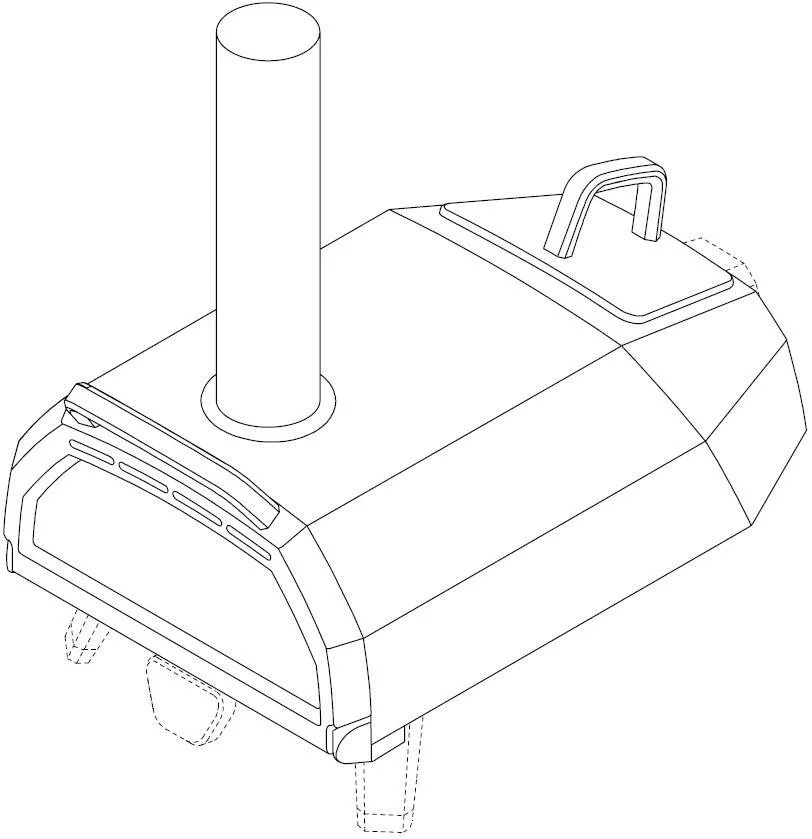
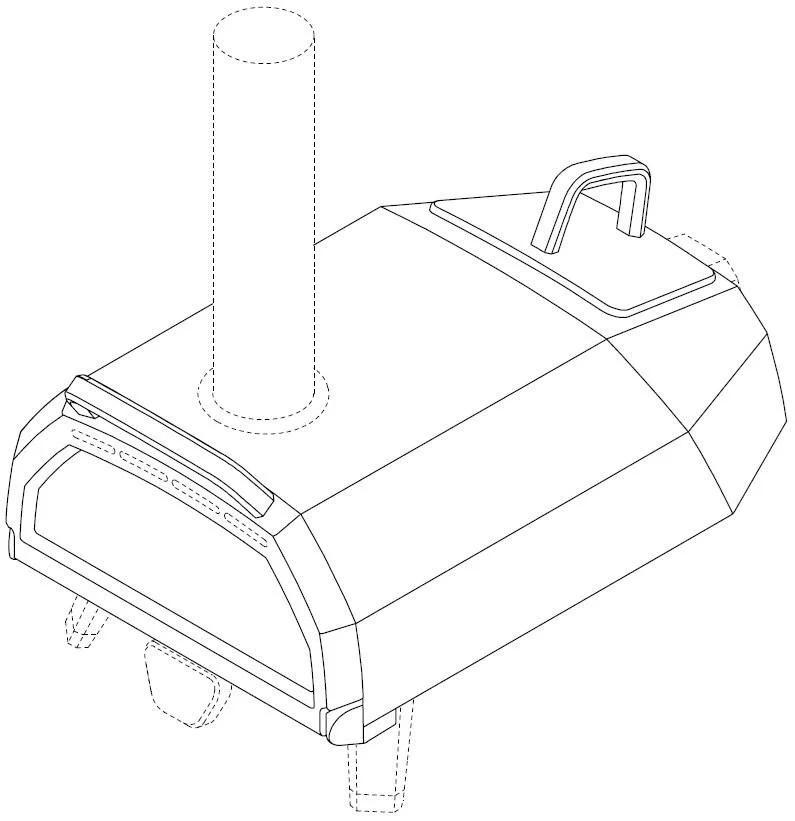
Designs are assessed based on the appearance of the images. Therefore, care must be taken in their appearance. While a simple photograph of a product sample of a white background can be sufficient, the protection offered may be limited. In most cases, drawings should be prepared showing multiple views of the product. Features that are not intended to be limiting should be suitably excluded such as via the use of dashed lines or other visual disclaimer.
How to use multiple designs to protect your product
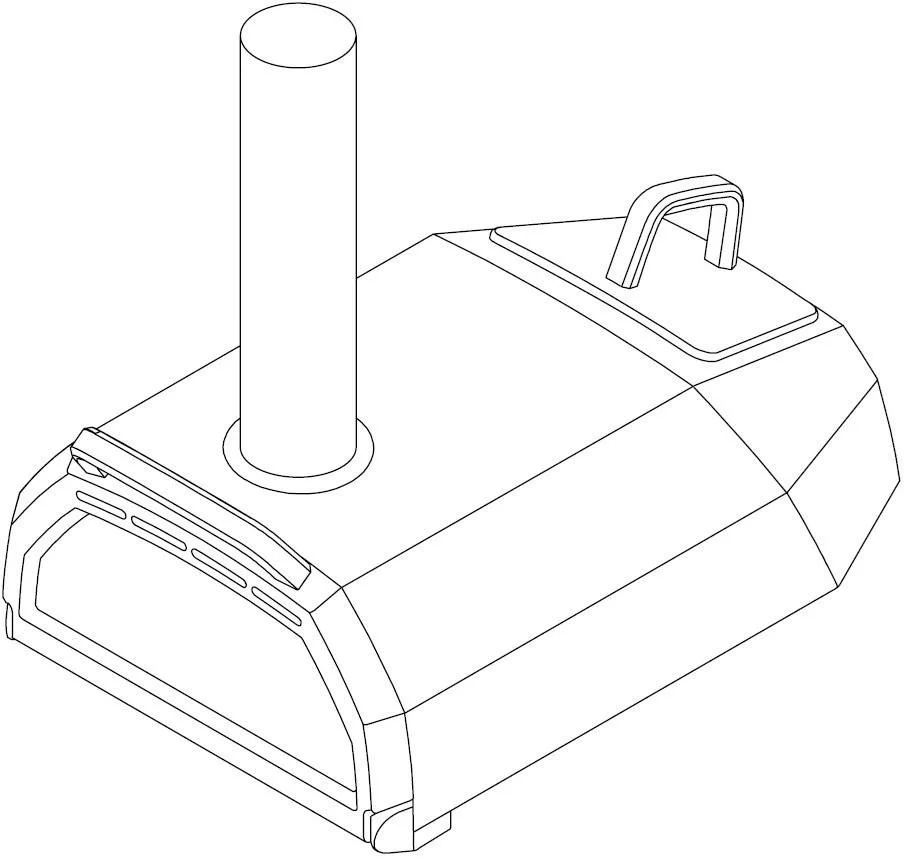
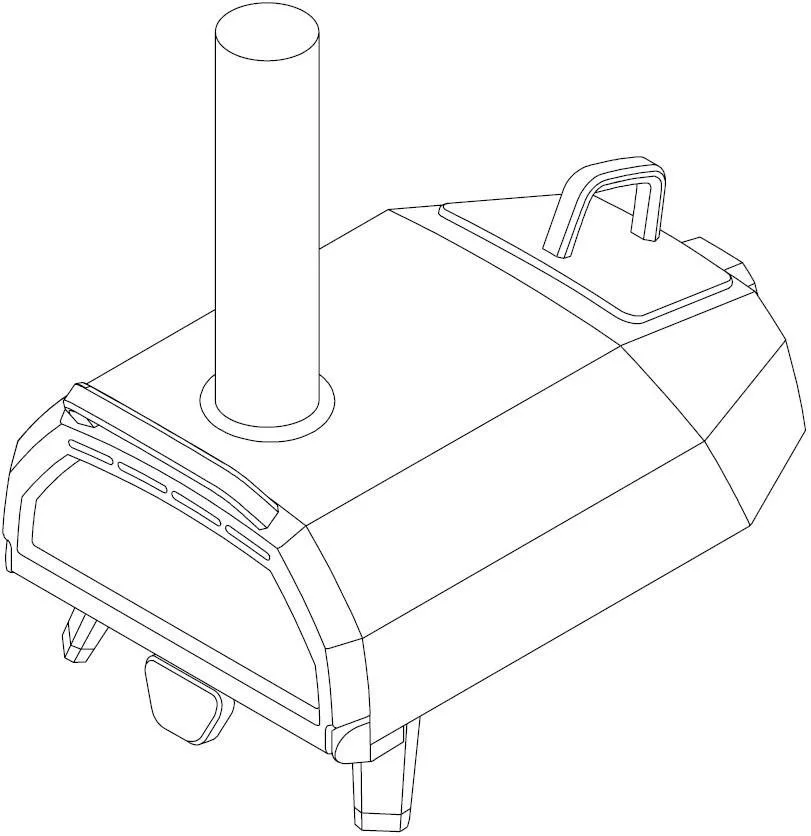
Filing multiple designs at the same time is a cost-effective way to obtain protection for variations in the appearance of your product. You can include up to ten designs in one application for £85 in official fees. You are not limited to ten designs and can file even more with slightly higher official fees. This allows you to be strategic in your filings and cover multiple variations at low cost. An example of this process is demonstrated by the following design filings for pizza ovens by Ooni Limited. The design filings are each focused on the same overall product, but through the use of disclaimers (via dashed lines) and omissions for features achieve different scope.
Filing before public launch is best
To be registrable, a design must be new and have individual character. "New" means it is not identical to a design already made available to the public. "Individual character" means it produces a different overall impression on the informed user (someone familiar with the existing products in that field) compared with what already exists.
The UK (and the EU) allow a 12-month grace period, during which you can disclose your own design and still file a valid application. But relying on that grace period is risky: many other countries have no grace period at all, so a public launch, a crowdfunding campaign, or even a trade-show reveal can destroy your ability to register the design elsewhere in the world. The safe rule is simple: file first, then launch.
The bottom line
Registered designs are cheap, fast, long-lasting and straightforward to enforce. However, they remain the most underused right in the IP toolkit. If your business sells a product whose appearance matters, you are very likely leaving easy, inexpensive protection on the table.
If you would like to know more about registered design protection and whether it is right for your business, please get in touch.